Summary
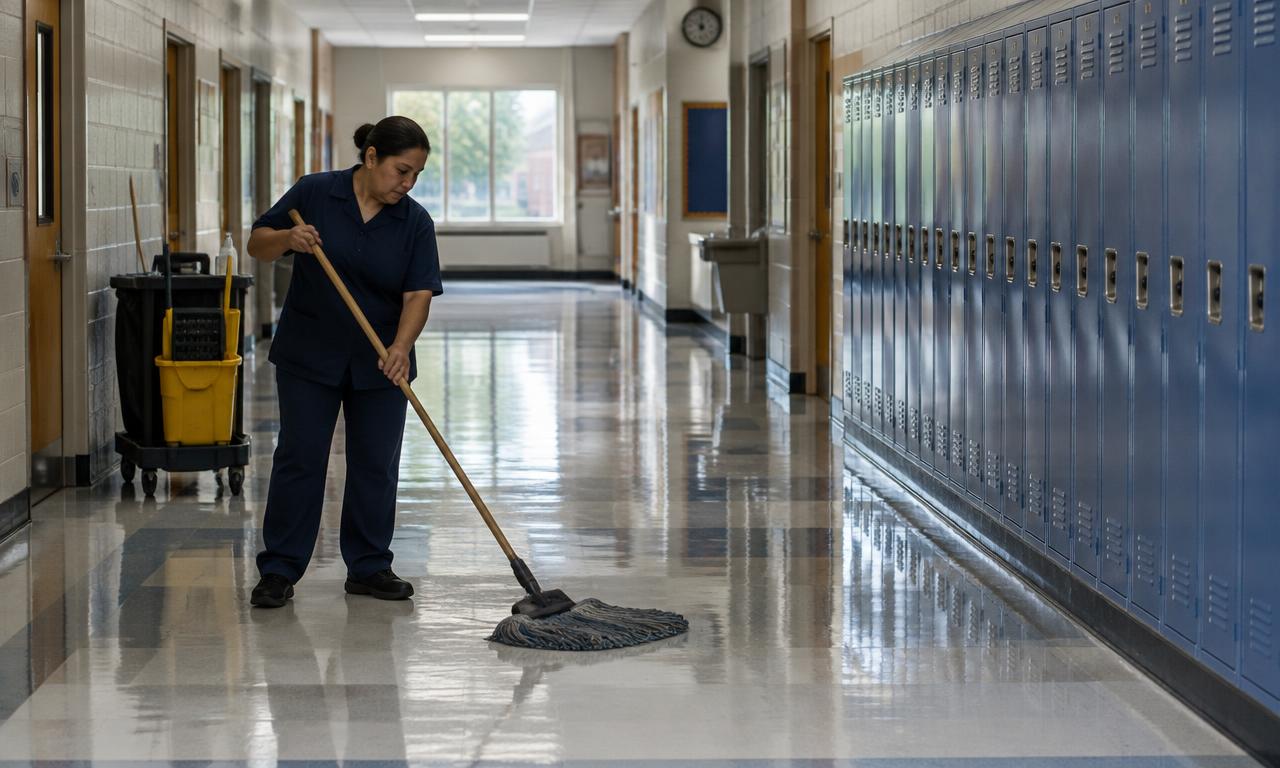
A school cannot be cleaned like an office: minors are on-site for most of the day, restrooms experience heavy use, and operations are governed by the academic calendar. This guide helps school facility managers and administrators define what to require from their cleaning contractor: scope of work by area, tasks performed with and without students present, access protocols, chemical product controls backed by Safety Data Sheets (SDS), and a plan for school breaks. It includes a decision matrix by area, a practical checklist, and clear distinctions between general recommendations and policies that each institution must establish alongside its leadership and legal counsel.
The Short Answer
Require five things in writing: (1) a site-specific scope of work by area, with distinct frequencies for restrooms, classrooms, cafeterias, and common areas; (2) a schedule that separates tasks performed while students are present from those performed after hours, reserving recess periods for routine maintenance and breaks for deep cleaning; (3) vendor personnel access rules: an assigned roster, visible photo ID, entry and exit logs, designated zones, and a code of conduct; (4) Safety Data Sheets (SDS / *Hojas de Datos de Seguridad*) for every product prior to use, along with a secure, designated storage area; (5) regular documentation of service: inspection walk-throughs using standardized checklists, shift reports, and an incident reporting protocol. Formalize these terms within the service agreement and audit compliance without issuing direct supervisory orders to contractor employees.
Why the School Environment Changes the Contract
The primary occupants are minors. Mexico's General Education Law (*Ley General de Educación*) mandates reinforced protection measures to safeguard the physical, psychological, and social integrity of students (Art. 73, amended in the Official Gazette of the Federation [DOF] on January 15, 2026), and the General Law on the Rights of Children and Adolescents (*Ley General de los Derechos de Niñas, Niños y Adolescentes* - LGDNNA) recognizes their right to personal integrity and a life free from violence (Arts. 13 and 46). While these statutes are directed at schools and educational authorities rather than serving as direct procurement mandates for service providers, they establish the compliance framework governing how third-party personnel must conduct themselves on campus.
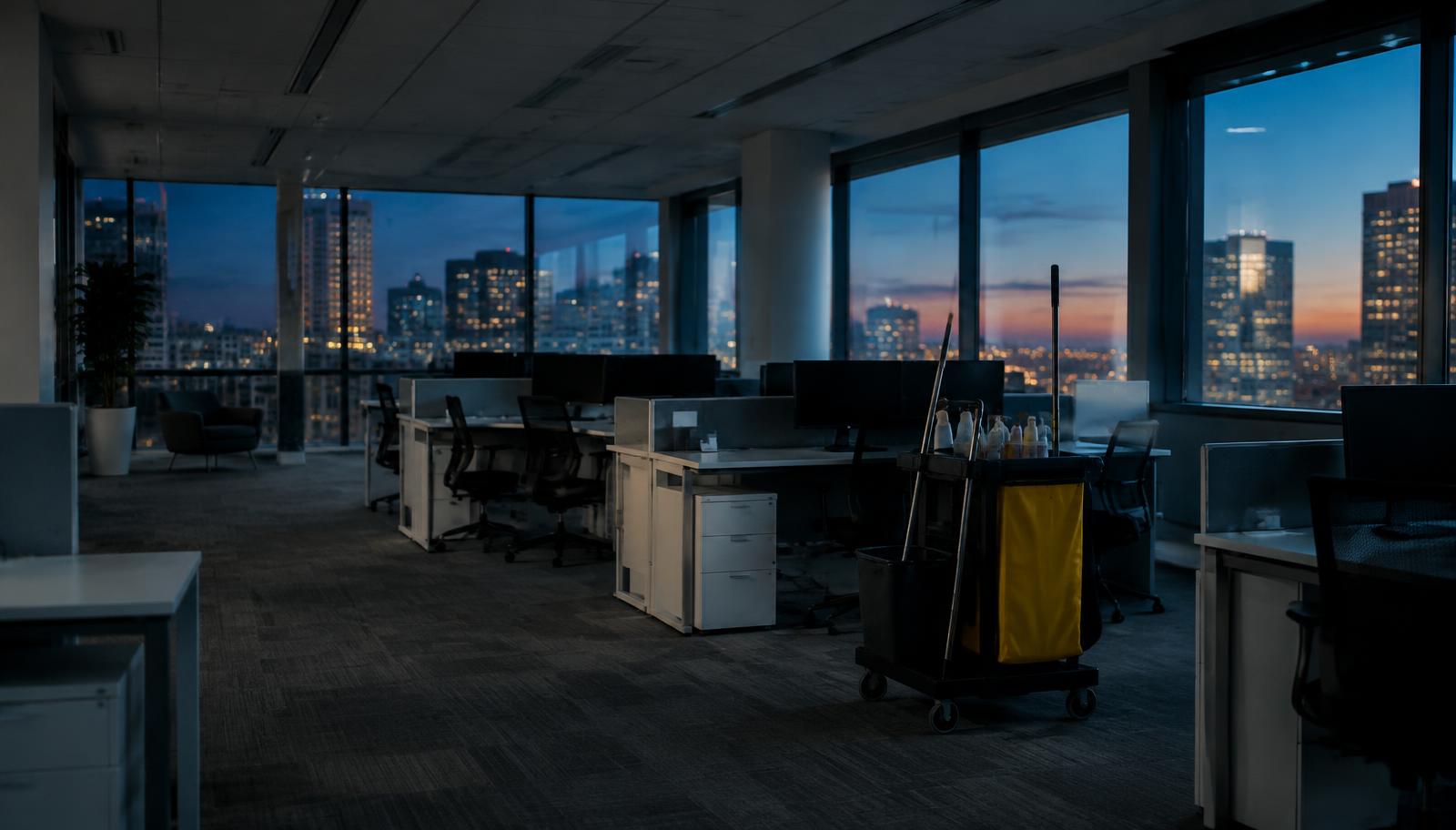
Facility usage is also highly concentrated: peak traffic occurs during recess, lunch, morning drop-off, and afternoon dismissal, punctuated by long stretches of minimal activity. A staffing model designed for standard commercial offices—such as the models analyzed in daytime versus night-shift cleaning—rarely translates to an educational facility without significant adjustments.
Furthermore, the operating calendar is established by the Ministry of Public Education (SEP), which also applies its official schedule to incorporated private schools. For the 2026–2027 school year, according to the Undersecretariat of Basic Education, the official calendar runs from August 31, 2026, to July 9, 2027 (for preschool, elementary, and middle school levels), with vacation breaks scheduled from December 21 to January 5 and March 22 to April 3. Because your institution may observe distinct dates (such as high school or university divisions, or extracurricular programs), verify your academic calendar before finalizing the cleaning schedule.
Restrooms
Restroom sanitation is where service quality is most visible. Define the following parameters:
- Frequency structured by time blocks, rather than a single daily visit: inspections and restocking prior to morning arrival, touch-ups during peak usage windows, and comprehensive sanitization after dismissal. Exact frequencies should reflect student traffic; there is no universal number.
- Consumable restocking (soap, paper towels, toilet paper, trash liners) with assigned responsibilities and usage tracking; see cleaning supplies and consumables.
- Facility maintenance reporting (plumbing leaks, clogged floor drains, broken stall latches, failed lighting): the cleaning crew identifies and reports issues so school maintenance staff can execute repairs; clearly outline reporting channels and resolution timeframes.
- High-touch point cleaning and disinfection: specific surfaces and approved chemicals must align with the product SDS and recommendations from your environmental health and safety (EHS) specialist; review key distinctions in cleaning vs. disinfection for high-contact restrooms. This guide does not replace specialized health protocols.
If your campus operates drinking fountains, a joint agreement issued by SEP, the Ministry of Health (*Secretaría de Salud*), and INIFED (published in the DOF on December 23, 2015) mandates designated drinking fountain monitors per shift along with daily, weekly, and semiannual inspection routines. Never assume these tasks fall under a standard janitorial scope: if you intend to include them, outline them explicitly in writing and separate surface cleaning from technical, mechanical maintenance.
Classrooms, Common Areas, and Cafeterias
- Classrooms and Laboratories: Explicitly define what cleaning encompasses (floors, student desks, teacher lecterns, whiteboards, waste receptacles, interior glass) and what is excluded (instructional materials, computer hardware, chemical reagents), as well as who is responsible for shifting and resetting furniture. For specialized flooring, see carpet deep cleaning and hard surface flooring.
- Courtyards and Exterior Common Areas: Establish sweeping frequencies, litter pickup routes, and rapid-response protocols following athletic or school-wide events.
- Dining Halls and Cafeterias: Distinguish dining area sanitation (tables, chairs, trash cans, floors), which typically falls under the janitorial scope, from kitchen operations and food preparation surfaces, which belong to the food service concessionaire. The General Education Law empowers SEP to regulate food safety standards in schools (Art. 75): verify which provisions apply to your facility and ensure these duties are not shifted onto the janitorial contract by default.
- Waste Management: Define centralized collection points, haul-out frequencies, and responsibility for final disposal.
Every task must have an assigned owner in the contract along with a verification mechanism; our guide on what an institutional cleaning service includes provides a baseline for building your scope of work.
Hours With and Without Students Present
- With Students Present: Consumable restocking, restroom inspections, rapid spill cleanups, and scheduled trash pickup along designated routes.
- Without Students Present (Before arrival, after dismissal, weekends, and academic breaks): Full classroom cleaning, heavy machinery operation, floor stripping/buffing, window washing, and deep sanitization. Any task involving motorized equipment, trip hazards (such as cords), or chemical products that require temporary area closures must be scheduled outside instructional hours.
- Safety Signage: The contractor is responsible for cordon lines and wet-floor signage; the school designates which corridors may be closed and who authorizes access.
If your campus runs double shifts (morning and afternoon sessions), the custodial turnaround window between shifts is typically very narrow: outline exactly which tasks are feasible within that timeframe.
Access Control, Identification, and Interaction with Minors
Child safeguarding is primarily the responsibility of the educational institution, which must establish clear policies in writing. While not direct statutory mandates for commercial contractors, incorporating the following terms into the contract is best practice:
- Dedicated Roster: A defined roster of assigned personnel per shift, with advance notice required for substitutions, mandatory visible photo ID badges, and formal entry/exit sign-in logs.
- Authorized Zones and Schedules: Clear specifications regarding designated entry gates, assigned working zones, and keys/access control protocols.
- Code of Conduct: The school defines its child protection and safeguarding policy; the contractor must receive it, train its personnel accordingly, and maintain signed acknowledgments on file. The same applies to policies restricting mobile phone usage and campus photography.
- Incident Escalation Channel: A documented reporting mechanism for any irregular behavior or safety concerns, integrated into your cleaning service incident protocol and aligned with the school's internal child protection framework (Mexican law mandates that schools establish multidisciplinary bodies to prevent and address violence against minors, LGDNNA Art. 57, Sec. XI).
- Personnel Documentation: The vendor's corporate compliance file (see cleaning vendor vetting file) must include the list of assigned staff. If the school wishes to review background documentation for individual workers, consult your legal department to establish appropriate grounds and ensure full compliance with personal data protection laws. This guide does not mandate specific document requests.
The school has the right to verify that an updated roster exists, that individuals on campus match that roster, and that written conduct guidelines have been distributed. Temporary substitutes should only be admitted with prior written authorization; see cleaning personnel, training, and absenteeism management.
Chemical Products and Safety Data Sheets
Official Mexican Standard NOM-018-STPS-2015 (published in the DOF on October 9, 2015; active in the official catalog with systematic review confirmed on December 8, 2023) requires employers to maintain Safety Data Sheets (SDS / *Hojas de Datos de Seguridad*) for all hazardous substances handled, provide workers with immediate access to them, label containers and storage areas, inform contractors, and train staff at least annually and upon the introduction of any new chemical (sections 6.3 to 6.7 and 11.1). An environmental health and safety specialist must confirm how these provisions apply to the cleaning chemicals on your campus.
From a procurement and facility management standpoint:
- Prior to Chemical Delivery, the contractor must submit Spanish-language SDS sheets for administrative review and archiving; the list of approved chemicals must be updated whenever products change.
- Dedicated Chemical Storage: Products must be stored in locked, designated janitorial closets inaccessible to students, with strict key management. Janitorial carts and equipment must never be left unattended in corridors or active classrooms.
- Original or Properly Labeled Containers: Require that chemicals never be transferred into unlabelled bottles or secondary beverage containers. Handling instructions, chemical compatibility, and spill response must follow the product SDS and guidance from your safety specialist.
- Air Fresheners and Aerosols: Evaluate whether aerosolized fragrances are strictly necessary and review their safety profiles regarding respiratory sensitivities among students.
- Personnel Training and PPE: Review compliance standards in our guide on cleaning personnel occupational health and safety.
Internationally, facilities may also reference standards such as the ISSA Clean Standard: K-12, which provides educational institutions with a framework to objectively measure and verify cleaning effectiveness (clean, measure, monitor). While access to this standard requires ISSA membership and its specific provisions were not evaluated for this guide, it highlights the broader industry shift toward measurable sanitization metrics rather than subjective visual inspections.
School Breaks and Deep Cleaning
Academic breaks provide the necessary operational window to execute tasks that cannot be safely performed around students. Plan these interventions several months in advance:
- Summer Break: The primary maintenance window. Reserve this period for restorative cleaning of classrooms, restrooms, student furniture, high-reach glazing, and floor maintenance (stripping and refinishing). If structural remodeling or painting occurs, coordinate closely using post-construction cleaning phases.
- Winter and Spring Breaks: Shorter operational windows ideal for targeted maintenance, such as carpet extraction or detail scrub-downs of athletic facilities.
- Pre-Opening Walk-Through: Conduct a joint inspection using a standardized punch list prior to the first day of classes to verify that all work is completed and outstanding issues are resolved.
- Access Control During Breaks: Because general campus traffic is low, access monitoring is just as critical; clearly identify who authorizes entry and log all contractor movements.
- Contractual Scope: Clarify whether break cleaning is included in the base monthly contract value or billed as an additional project scope, and confirm required staffing levels.
If elevated work is required (atrium windows, light fixtures, architectural facade elements), refer to high-altitude cleaning requirements.
Auditing Performance Without Directing Labor
Mexico's Federal Labor Law (*Ley Federal del Trabajo* - LFT) prohibits placing contractor employees under the direct subordination of the client facility (Art. 12) and requires formal written agreements for specialized services, establishing joint and several liability (Art. 14); see REPSE verification for cleaning vendors. For this reason, the school must contractually define deliverables, quality standards, and verification metrics, while the contractor retains sole responsibility for directing, supervising, and managing its staff. Operational feedback must be communicated directly to the contractor's site supervisor and formally logged; facility audits should be conducted via sampling (walk-throughs, roster audits, restocking logs, SDS reviews); and school codes of conduct must be delivered in writing with formal receipt acknowledgments. Your legal department must review these operational boundaries; ongoing performance tracking strategies can be found in our guide on cleaning supervision and service KPIs.
Decision Matrix by Area
| Area | With Students Present | Without Students Present | Suggested Verification | School Decides |
|---|---|---|---|---|
| Restrooms | Inspections, restocking, light touch-ups | Deep scrub and sanitization | Time-stamped restroom log | Service frequency based on traffic |
| Classrooms & Labs | Emergency spill cleanup only | Complete daily cleaning; deep wash during breaks | Walk-through checklist | Excluded items and surfaces |
| Hallways & Entrances | Light trash pickup, wet floor signage | Floor buffing and machine scrubbing | Shift handover report | Closed corridors and traffic routes |
| Cafeterias (Seating only) | Spill cleanup | Complete floor and table sanitization | Shift inspection log | Scope division with food service vendor |
| Courtyards & Sports Courts | Litter collection | Sweeping, power washing | Shift completion report | Event cleanups and multi-use schedules |
| Chemical Storage | Strictly locked to students | Inventory review against SDS | SDS binder and physical count | Room assignment, lock, and key control |
| Break Deep Cleaning | Not applicable | Phased work by zone and date | Formal completion sign-off | Scheduled dates and campus access rules |
Common Mistakes
- Applying a standard corporate office cleaning model to an active educational campus.
- Scheduling a single daily restroom visit without replenishment cycles during peak recess hours.
- Failing to document the dividing line between cafeteria dining seating and food preparation areas.
- Giving direct operational orders to vendor cleaners rather than routing feedback through their site supervisor.
- Permitting chemical products on campus without verified SDS sheets or allowing storage in unsecured areas.
- Planning holiday deep cleaning schedules at the last minute without clear scope definitions.
- Demanding personal employee documentation without a clear statutory basis or data privacy protocol.
Warnings
This article does not constitute legal, health, or child protection advice. Regulations and academic calendars are subject to official updates: verify current legal editions and consult with an environmental health and safety (EHS) specialist and your legal counsel to determine the exact requirements applicable to your campus.
>
No Chemical Handling Protocols. This guide does not dictate which chemical formulations to deploy or specific dilution ratios; these must be governed by the manufacturer's SDS, chemical label instructions, and your site safety officer. This document does not propose health or epidemiological protocols.
>
Personal Data Protection. Maintaining contractor personnel rosters, reviewing identification cards, and managing security cameras within educational facilities must be supported by an institutional data privacy policy established alongside your legal department.
Checklist
| ☐ | Verification Item | Evidence Document |
|---|---|---|
| ☐ | Detailed scope of work by area with explicit service frequencies | Contract Annex |
| ☐ | Task matrix distinguishing between student and after-hours shifts | Area cleaning schedule |
| ☐ | Consumable replenishment program with designated ownership | Restroom sign-off sheets |
| ☐ | Assigned personnel roster per shift with mandatory visible photo IDs | Updated roster sheet |
| ☐ | Campus access and child safeguarding rules acknowledged in writing | Signed receipt document |
| ☐ | Formal incident reporting channel and designated school liaison | Contact protocol & SLA |
| ☐ | Spanish Safety Data Sheets (SDS) archived prior to product use | Campus SDS binder |
| ☐ | Designated chemical storage room with functional lock and key control | Facility inspection report |
| ☐ | Contractor personnel safety training and PPE records on file | Training records (DC-3 / attendance lists) |
| ☐ | Clear escalation pathway and resolution windows for facility defects | Facility maintenance log |
| ☐ | Detailed scope and schedule for deep cleaning during school breaks | Holiday operational calendar |
| ☐ | Joint administrative walk-through prior to first day of classes | Project close-out sign-off |
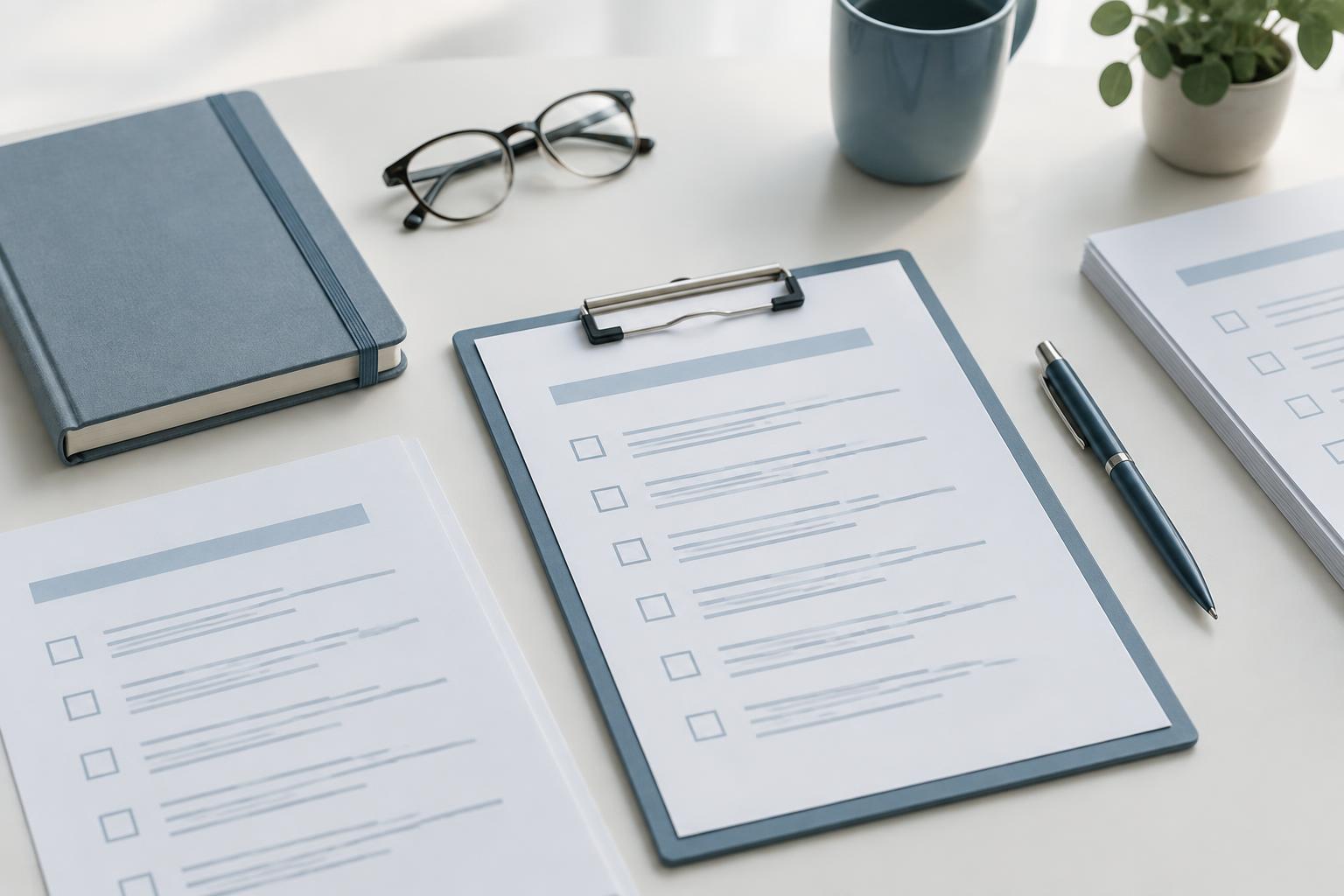
*Application: Review this checklist during initial vendor kick-off meetings or contract renewals alongside your business operations office and campus safety officer.*
Next Steps
Review your academic calendar for the upcoming cycle, complete the decision matrix with your administrative team, and identify operational gaps in your existing service contract. If you are evaluating competing bids, utilize our cleaning proposal evaluation matrix and our guide to hiring institutional cleaning services. For regulatory standards, visit our compliance section, or request a customized proposal directly via our quote request page.
A school cleaning service succeeds when the educational institution clearly defines what must be done, when it occurs, who may be present, and under what access rules—and when the service provider consistently verifies compliance through documentation. Restroom maintenance, chemical management, and holiday deep cleaning require the bulk of administrative planning; the rest relies on operational discipline: a detailed written scope of work, periodic audits, proper communication channels, and sound legal boundaries.
Sources
- Ley General de Educación
- Ley General de los Derechos de Niñas, Niños y Adolescentes
- Ley Federal del Trabajo
- NOM-018-STPS-2015 (DOF 09-oct-2015)
- NOM-018-STPS-2015, regulatory status (PLATIICA)
- School Calendar 2026-2027 (SEP)
- Agreement 07/07/26, Calendars 2026-2027 (SIDOF)
- Agreement for Drinking Fountain Installation (DOF 23-dec-2015)
- ISSA Clean Standard: K-12
Use this checklist in your next quote or renewal.
To get a quote from SELIMEX, use the quote page; for more information, see the compliance section.